Reliable house cleaners do more than push a vacuum and wipe a counter. The best teams create a rhythm in your home, a dependable cadence of care that reduces stress, protects your finishes, and keeps health at the forefront. When a home cleaning service runs well, you notice the quiet details first, not just the obvious shine. Light switches feel clean to the touch. Baseboards have a crisp edge again. The kitchen smells neutral rather than perfumed. That is the mark of professional house cleaning done with skill and judgment.
What reliability actually looks like
People often equate reliability with punctuality, and yes, on-time arrival matters. But in a residential cleaning service, reliability shows up in five less flashy ways. The first is consistent staffing. A home cleaning company that keeps turnover low can send the same team to your home, which means fewer walk-throughs, fewer reminders, and better results over time. The second is process. Professionals follow a set order so rooms never get half-finished and tiny tasks never fall off the list. The third is communication. Schedules change, kids get sick, appliances break. A responsive residential cleaning company gives you a clear contact method, sets expectations promptly, and confirms changes. The fourth is training. Teams need recurring education on new surfaces, safe chemistry, and efficient technique. The fifth is quality control. Random spot checks and post-clean audits catch drift before it becomes a habit.
Years ago, I helped a family with an autoimmune concern find reliable house cleaners after two disappointing tries. The winning company was not the cheapest. They were the ones that assigned a lead tech to the household, kept a sealed caddy labeled for that home, and provided a clear list of what each visit included. Three months in, the family had less dust in the bedroom vents, fewer flare-ups, and a steadier routine. Reliability is not just about showing up, it is about earning your trust with every pass of the cloth.
From top to bottom, dry to wet
There is a reason the classic workflow remains the standard for professional cleaners. Dust high, then mid, then baseboards. Dry tasks first, wet tasks second. That simple order prevents rework and keeps contaminants from spreading. A good team starts with ceiling corners, vents, and upper shelving. They work down to frames, mantels, and tabletops. Finally, they address baseboard cleaning and floor cleaning and mopping. If someone wipes a coffee ring before they have removed loose dust from the blinds overhead, they have created new soil on a clean surface. Details like this separate a trained cleaner from an enthusiastic amateur.
Color coding is another quiet hallmark of a professional cleaning operation. One color for bathrooms, another for kitchens, another for general dusting and sanitizing. It looks fussy at first glance, yet it stops cross-contamination in its tracks. The same logic applies to mop heads and buckets. Best practice is a two-bucket method for flooring, with a rinse bucket kept distinct from the cleaning solution. That habit alone can extend the life of sealed hardwood by years.
Kitchen deep cleaning, the linchpin of the home
The kitchen demands the most skill and the most time. Grease migrates, steam lifts particles into odd places, and crumbs find corners like they are magnetized. A strong kitchen deep cleaning routine always begins with a degreaser and ends with a neutralizing rinse. On stainless steel, you want a dedicated product applied with the grain. On quartz counters, non-abrasive and pH-neutral is the safest bet. Natural stone like marble, travertine, and limestone calls for stone-safe, pH-balanced formulas only. I have seen well-intended scrubbing with vinegar etch a marble island in under a minute. Once etched, you are looking at professional polishing, not a quick fix.
Fixtures deserve special attention. Faucet bases trap mineral scale, especially in hard-water regions. A gentle descaler plus a nylon brush brings the metal back without scratching. Under the lip of the sink is a bacterial hotspot. The right brush, a food-safe sanitizer, and an extra thirty seconds make a measurable difference. Inside the microwave and around the stove controls, cleaners should use a calm hand. Harsh chemicals migrate into crevices and harm plastics and electronic membranes. Moisture control is the trick there, along with microfiber that reaches the edges without fraying.
Pantries and fridge exteriors round out the project. A professional house cleaning team will align labels outward, clean sticky shelves, and remove expired items only if you have asked for that service. It sounds cosmetic, yet it reduces the time you spend searching for staples and cuts down on food waste. A reliable service documents add-ons like oven interiors, inside the fridge, or range hood filters so you know what you are paying for and can space those tasks quarterly or semiannually.
Bathroom cleaning that protects both shine and health
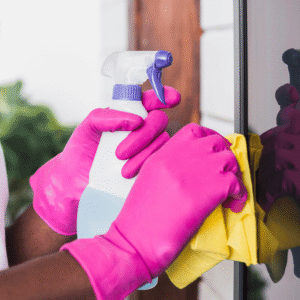
Bathrooms carry the highest microbial load in any house. The point of bathroom cleaning is not to scorch every surface with the strongest chemical you can buy. The goal is targeted sanitation that leaves materials intact. For ceramic tile and grout, a mildly alkaline cleaner removes soap film without destabilizing the grout sealer. For glass shower doors, a commercial-grade citric or lactic acid product dissolves mineral deposits effectively, and purified water for rinsing prevents new spots. On natural stone showers, a stone-safe acidic cleaner does not exist, so you pivot to mechanical agitation with non-scratch pads and a pH-neutral formula.
Toilets should be treated like a small containment zone. Separate tools, gloves, and towels. Clean from least dirty to most dirty, outside to inside, hinge to handle to lid to bowl, then flush and sanitize the handle at the end. The floor around the toilet often needs a targeted enzyme cleaner to break down organic residue that standard soaps smear rather than remove. Many teams also sanitize light switch and surface cleaning points, faucet handles, and cabinet pulls as part of the bathroom rotation. When done right, a bathroom smells like nothing. Scent is not a stand-in for cleanliness.
Living areas and bedrooms, where dust hides in plain sight
Living rooms and bedrooms collect a quieter kind of soil. Skin cells, textile fibers, pollen, pet dander, and particulate from cooking drift and settle. Smart dusting and sanitizing in these rooms starts by staging. Open blinds, turn on lights, and move small items to a tray so you clean surfaces fully. Use a hepa-filtered vacuum on upholstery before you dust surfaces, or you will dump airborne dust back onto freshly wiped tables.
Electronics require antistatic tools and a light touch. Acrylic display cases scratch under a rough cloth, so microfiber with a spritz of distilled water is safer. Picture frames need dusting along the top edge and a quick wipe of the glass, but watch for old wood finishes that can haze if you use alcohol. Baseboard cleaning often reveals hairline scuffs from shoes or toys. A melamine foam pad can help, used sparingly, followed by a damp cloth https://scrubclubmn.com/ to remove residue.
Bedrooms deserve attention to mattress edges where dust mites congregate. A slow pass with a hepa vacuum across seams, then the bed frame, headboard, and under-bed area. The most reliable house cleaners often keep a small flashlight in the apron pocket. A quick beam angle along the baseboards shows lint, and a look under the sofa catches the pen or Lego that would leave scratches if dragged by a mop.
Floor cleaning and mopping, tailored to material
Floors fail faster under the wrong cleaner than any other surface. Laminate swells with excessive water. Hardwood loses finish with strong alkalines. Natural stone, again, dissolves with acid. Tile tolerates almost anything, but grout does not. A home cleaning company that trains its crews by floor type saves clients thousands over a decade.
Here is a practical baseline. Vacuum or sweep before any wet work. On hardwood, use a slightly damp microfiber pad with a wood-safe cleaner, then dry the floor immediately. On tile, pre-treat grout lines if they need it, then mop in small sections so soils do not dry back onto the floor. On vinyl plank, go easy on water to prevent seepage into click-lock joints. Avoid vinegar on stone and most hardwood finishes. Do not add dish soap to your bucket if you want to keep your floors film-free. Surfactants built for dishes cling to floors, then attract dirt like a magnet.
Entry mats make a bigger difference than many people realize. One coarse mat outside, one absorbent mat inside the threshold will strip 70 to 80 percent of incoming grit in ordinary households. It is not glamorous, but it is the most cost-effective floor care you can buy.
The quiet touches that elevate a service
Light switch and surface cleaning is easy to miss. Most people notice smudges once the sun swings a certain way across a wall. Professional cleaners catch those hotspots every visit. Door frames at kid height, fridge handles, the coffee maker button cluster, the banister rail where hands land naturally, the bedside lamp switch. Add in vent covers, thermostat faceplates, and remote controls and you have a loop that takes three minutes and makes a home feel truly clean to the fingertips.
Baseboards are another tell. A fast pass of the vacuum crevice tool pulls lint, then a damp microfiber lifts the film that accumulates where air currents slow. If the baseboard profile is ornate, a soft detailing brush speeds the job without scratching paint. Reliable house cleaners work these details in a rotation, weekly for high-traffic areas and monthly for low-traffic rooms, so no one visit balloons out of control.
Products, safety, and matching chemistry to surfaces
Good chemistry protects your home and your health. A responsible residential cleaning service keeps a product chart with pH ranges, compatible surfaces, and dwell times, and trains every tech on it. For families with allergies or respiratory concerns, fragrance-free options reduce triggers without sacrificing effectiveness. Hypochlorite bleach has a place in disinfection, but it is rarely the right tool for day-to-day residential cleaning because it is reactive, leaves residue, and damages textiles. Quaternary ammonium compounds disinfect well, yet they need proper dwell time and good ventilation. Hydrogen peroxide blends sanitize with less odor, but still need respect.
Small habits prevent accidents. Never mix chemicals. Label and date every bottle. Rinse sprayer heads weekly to prevent crystallization and bursts. Keep stone-safe, pH-neutral cleaners in a separate caddy so the wrong bottle never hits a marble vanity by mistake. Seasoned professional cleaners know that the fastest way to lose time is to repair a finish you damaged by grabbing the wrong product in a hurry.
Pricing that makes sense, and where affordability fits
Affordable house cleaning is not a single number. It is a match between your expectations, the size and condition of your space, and the frequency of visits. Most home cleaning companies price in two ways, hourly or flat rate. Hourly gives transparency but can feel open-ended if you do not set a cap. Flat rate gives certainty, provided the scope is clear. Recurring service costs less per visit than one-time jobs because the home starts clean and stays clean.
As a loose guide in many metro areas, a two-bedroom, one-bath home around 900 to 1,200 square feet typically runs between 110 and 220 dollars per visit on a biweekly schedule. An initial deep clean might cost 1.5 to 2 times the recurring price because the team addresses built-up soils, inside appliances if requested, and detailed baseboard cleaning. Add-ons like inside the oven, inside the fridge, or blinds can range from 15 to 60 dollars each depending on complexity. Larger homes, heavy pet hair, construction dust, and high ceilings will nudge the price up. Clear scope equals fewer surprises and happier clients.
Questions to ask before you hire
- Are you insured and bonded, and can you provide a certificate of insurance naming me as additional insured for scheduled service dates? Do you send the same team each visit, and who is my point of contact if I need changes? What does your standard checklist include, and what counts as a deep clean or an add-on? What products do you use, can you accommodate fragrance-free or stone-safe options, and who supplies consumables like trash liners? How do you handle quality control and satisfaction issues, and what is your policy for breakage or re-cleans?
Preparing your home for smoother service
The best way to save money and improve results is to remove obstacles. Pick up toys, clothes, and stray paperwork. Load or clear the sink if you want the kitchen sink thoroughly cleaned. Secure pets, not only for the crew’s safety, but also to keep doors from being left open. If you have specific requests like no water on a particular floor, a special polish for a family heirloom, or a do-not-touch shelf, place a small note on the item and mention it to the team lead on arrival. That fifteen-second conversation beats a follow-up call every time.
Many clients ask whether to be home. Either works. Being present helps during the first two or three visits as routines settle and preferences surface. After that, many prefer to grant entry with a lock box or smart lock code. Reliable house cleaners understand privacy and will have a key management protocol. Look for a company that stores keys securely offsite, codes them, and tracks access.
Between-visit maintenance you can do in minutes
- Run a hepa vacuum across high-traffic areas twice a week to control grit and protect floors. Wipe kitchen counters with a pH-neutral cleaner after cooking, then a quick pass on handles and light switches nearby. Squeegee shower glass and tile after each use to cut mineral build-up by half or more. Shake entry mats and launder them weekly to stop soil at the door. Do a three-minute pickup each evening so cleaners can clean surfaces rather than move clutter.
Quality control is a habit, not a speech
Any residential cleaning company can list a guarantee on a website. Living that promise takes structure. Photo logs, light but regular supervisor visits, and a simple re-clean policy build trust. Many teams use a two-minute exit scan. Stand at the threshold of each room and sweep the gaze clockwise. Are the switches clean, the baseboards crisp, the corners clear, the fixtures polished, the trash relined, the mats aligned, and the door left open or closed per the home’s preference? That ritual catches 90 percent of misses.
Feedback loops matter. A brief text after the first visit asking if anything was missed, a quarterly check-in about preferences, and a quick note when a product or tool changes keeps surprises low. The best residential cleaning services view feedback as part of the work, not a separate chore.
Edge cases and how pros handle them
Pets complicate cleaning in predictable ways. Fur wraps around vacuum beater bars and overheats motors unless the tech checks and clears the brush after each room. Litter areas require enzyme cleaners and a different set of gloves. Parrot dust is ultra fine and clogs filters faster than dog dander, so a hepa vacuum with a fresh bag or canister is non-negotiable.
Construction dust is another beast. Post-renovation cleans need more passes because fine dust keeps settling as HVAC runs. Crews use a hepa vacuum on all horizontal surfaces before any wet wiping, then repeat in 24 to 48 hours if possible. Charging a flat residential rate for that kind of work leads to burned-out crews and unhappy clients. A realistic scope protects everyone.
Vaulted ceilings need extension dusters and sometimes scaffolding for true cobweb removal. If you have beams or tall bookshelves, ask the home cleaning service whether they include that height in the standard scope. Rental turnovers compress deep cleaning into short windows. In those cases, a seasoned team assigns zones with a clock, not a checklist. Bathrooms and kitchens first, floors last, then a final sweep for light switch and surface cleaning where fingerprints telegraph sloppiness to incoming tenants.
A brief story of the right habits saving the day
A client called about a cloudy ring on a walnut dining table after a holiday dinner. Their previous cleaner had been using a general degreaser for all surfaces, including wood. Our lead recognized the pattern, paused regular product use, and did a spot test with a wood-specific cleaner and a breathable polish that does not build wax. The haze reduced by half. On the next visit, we cleaned the entire tabletop gently, then coached the family on using placemats under hot casseroles. The ring faded to near invisible within three weeks as moisture equalized. That kind of outcome happens when a professional cleaner treats each surface like a material with a history, not just a rectangle to wipe.
What makes a company worth keeping
A good home cleaning service does not hide behind fine print. They spell out what they do on a standard visit. They offer kitchen deep cleaning and bathroom cleaning at the right intervals. They tackle baseboard cleaning and floor cleaning and mopping with the right tools. They maintain a respectful footprint in your space. You should feel the benefits on busy mornings when the sink is empty, the counters are clear, and the floors feel safe under bare feet.
Affordability grows from predictability. If you know exactly what is included and how long it takes, you can budget and adjust frequency without guessing. If a residential cleaning company can articulate its process, assign a consistent team, and adapt to your surfaces and sensitivities, you have found the reliable house cleaners your home deserves.
Professional cleaners will never replace the personal touch you bring to your own space. They do something else instead. They give you a clean baseline, week after week, so your energy goes to living. Whether you book a full-service residential cleaning service or a targeted refresh before a milestone event, the right partnership turns dusting and sanitizing into a quiet form of care. The shine is just the visible part. The real value is time, attention, and the steady confidence that your home is in skilled hands.